


GPSR Authorized Representative vs Responsible Person: Same Thing?
Are the GPSR Authorised Representative and Responsible Person the same role? Here's the legal difference, who can be which, and what each one is actually on the hook for.
You see both terms in seller forums, marketplace policy pages, and the pitch decks of compliance firms. "Responsible Person." "Authorised Representative." Often used as if they mean the same thing. They don't, and treating them as synonyms can leave your products with no valid compliance setup at all.
Here's the short version. Every product on the EU market under GPSR needs a Responsible Person: an economic operator established in the EU who is accountable for safety basics. An Authorised Representative is one way to fill that role, but it's a narrow, formally appointed version of it. Get the relationship right and you avoid paying twice, signing void contracts, and assuming liability you didn't actually transfer.
Responsible Person is the umbrella, not a job title
Under Article 16 of the GPSR, read alongside Article 4 of Regulation (EU) 2019/1020, "Responsible Person" describes a legal status, not a single kind of company. It's the answer to one question: who in the EU is accountable for this product's safety paperwork and reachable by authorities?
Several different operators can hold that status:
- A manufacturer that is itself established in the EU.
- An EU-based importer who brings the product into the market.
- An EU-based distributor who takes on importer-style duties.
- A fulfilment service provider operating in the EU.
- An Authorised Representative appointed by the manufacturer.
As one seller put it plainly, under the GPSR that came into force December 2024 "you need a named responsible person with an EU address visible on your product pages, not just internal documentation." The role isn't a filing-cabinet formality. The name and contact details show up on your listings and your labels. Our deeper guide on the GPSR Responsible Person walks through what those duties involve day to day.
Authorised Representative is a specific appointment
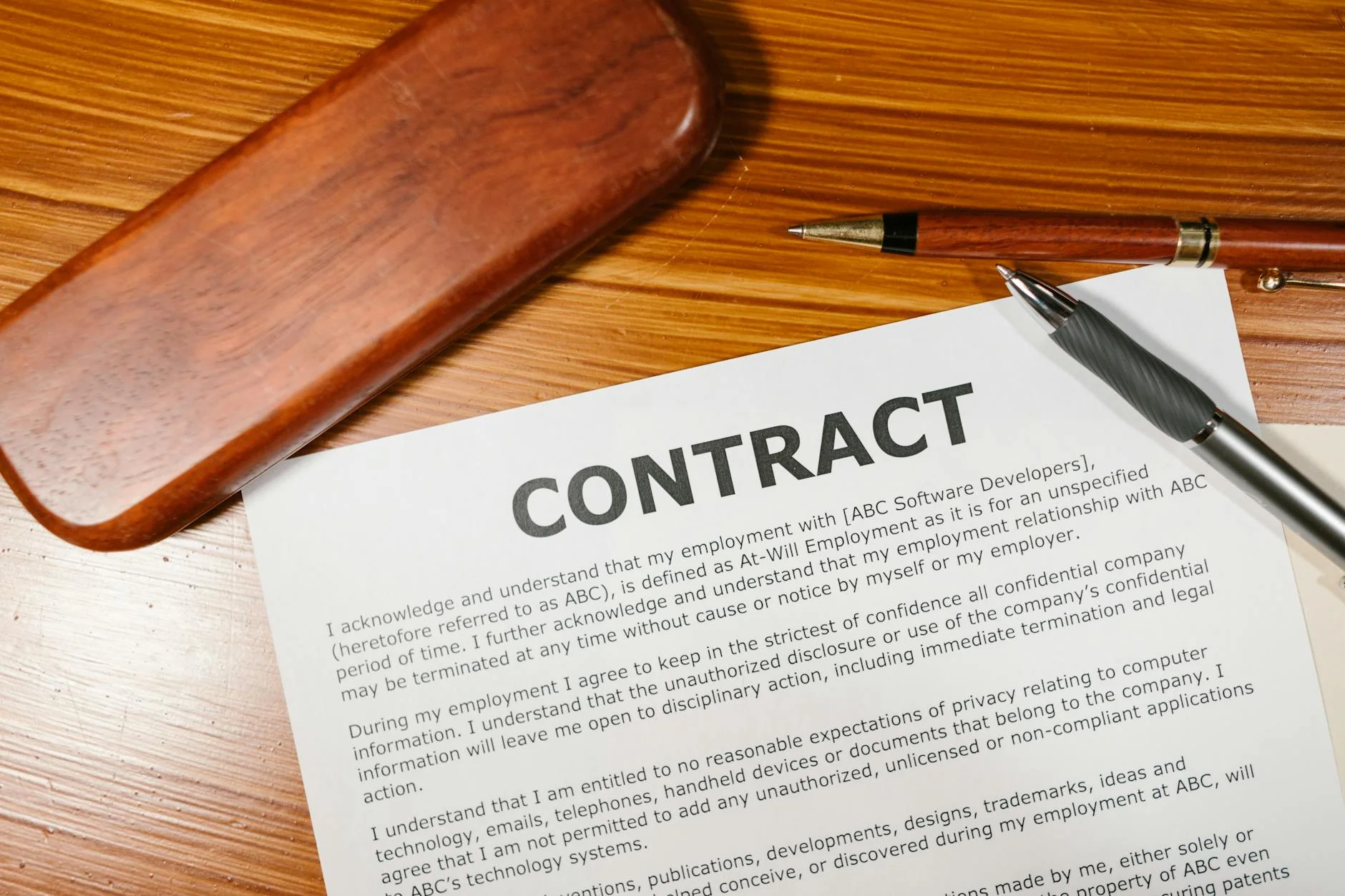
An Authorised Representative is one entry on that list above, with extra conditions attached. An AR exists only when a manufacturer appoints it through a formal written mandate. Once appointed, the AR takes on the legal status of Responsible Person for the products named in that mandate.
The phrasing from the regulation and from the firms that explain it is consistent: "If you're a manufacturer based outside the EU, you may appoint a Responsible Person (such as an Authorized Representative) for your products in the EU." That parenthetical is the whole relationship in one line. The AR is a way of being the RP, not a separate thing standing next to it.
Two limits matter here. First, only a manufacturer can appoint an AR. A store, a reseller, or a marketplace account cannot create one out of thin air. As sellers keep reminding each other, "the representative person is supposed to be a representative of the manufacturer, not the store." Second, the appointment has to be in writing. A handshake or an email thread won't survive scrutiny.
What the written mandate actually does
The mandate is the document that makes an AR real. It has to be a signed contract, in one of the official languages of the EU, listing the specific administrative duties the manufacturer hands over.
That list is narrow on purpose. "An authorized representative is only allowed to perform the administrative tasks the manufacturer assigned to them in writing beforehand." So the AR holds the technical file and Declaration of Conformity, cooperates with market surveillance authorities, and notifies regulators of identified risks. To do that job, the AR also has to confirm the manufacturer compiled a valid technical file and ran a proper risk assessment before agreeing to represent the brand.
If you skip the written mandate, or write it loosely, a market surveillance authority can treat the arrangement as legally void. At that point you have a name on your listing and no valid Responsible Person behind it, which is the same as having none.
The liability that does not move
This is the misconception that costs the most, because it feels like the opposite of what you paid for. Appointing an AR does not shift product safety liability off the manufacturer.
The AR is the first point of contact for EU authorities. It is not a liability shield. "The manufacturer remains responsible for how the product is made (the manufacturing process) and for the product's safety." Design, material composition, manufacturing defects: all of that stays with the manufacturer under EU product liability rules. An AR liaises with authorities and handles documentation. It does not absorb the consequences of a product that injures someone.
So the split is clean once you see it. Administrative tasks named in the mandate can be delegated. The physical safety of the product cannot.
Who can be your Responsible Person, in practice
Most non-EU sellers land in one of three setups.
You import through an established EU partner. If you already sell into the EU through an importer or a distributor who takes on importer duties, that operator can be your Responsible Person. No separate AR needed. One forum answer captures the common case: "if the manufacturer isn't located in the EU or NI, you'll have to indicate an EU-based Responsible Person or entity, along with their name and contact details."
You appoint an Authorised Representative. If you have no EU importer, the manufacturer appoints an AR by written mandate. The AR becomes your RP. "The EU RP acts as your legal representative in the EU, handling compliance documentation (testing data, labelling, technical files) and serving as the first point of contact for authorities if issues arise."
You are the manufacturer and you are EU-based. Then you're already your own Responsible Person and the question is moot.
One more practical note: a Responsible Person needs a real physical address and an active business presence in the EU or Northern Ireland. A shell company or a mailbox address does not qualify, because authorities have to be able to inspect documentation and reach a genuine operator.
Costs and the duplicate-fee trap
Representation pricing is all over the map. Some legacy firms charge high retainers, up to roughly €3,000 a year, for what amounts to address use. Newer digital providers offer API integrations that generate compliance certificates for online listings.
The trap worth flagging: non-EU brands often pay separate AR fees across different sales channels, not realising a single compliant AR can represent the brand EU-wide. You don't need one AR for Amazon, another for eBay, and a third for your own store. One properly appointed representative covers the products in its mandate wherever they're sold. For a wider view of what compliance actually runs you, see our GPSR compliance cost breakdown.
Where marketplaces add friction
Two platform quirks catch sellers out. First, some e-commerce platforms don't distinguish between "Authorised Representative" and "Importer" in their metadata fields. That forces you to enter AR contact details into an importer field, which can trigger automated listing suspensions when the data doesn't match what the platform expects.
Second, marketplaces verify the mandate behind the name. Amazon, for instance, runs manual and automated checks that the contract details are correct, that the contract covers the selected ASINs, and that it hasn't expired. A mandate that names the wrong products, or lapsed last quarter, fails the check even if the relationship is otherwise sound.
Where EUProof fits
EUProof generates the GPSR documents that sit behind whichever Responsible Person you use: the technical file, the Declaration of Conformity, the risk assessment, and the labelling text. Whether your RP is an EU importer or an appointed AR, they have to hold those records and make them available to authorities for 10 years. We produce them in minutes so that whoever represents you actually has a valid file to stand behind.
To be clear about scope: EUProof does not act as your EU Responsible Person and does not provide the Authorised Representative service. We build the paperwork. You still need a real EU operator to hold the role.
Not sure whether your products fall under GPSR at all? Run the Am I affected? check first, then generate your documents so your Responsible Person has something to file.
This article is general guidance, not legal advice. Confirm your obligations with a qualified advisor or your Responsible Person.
Frequently asked questions
- Is a Responsible Person the exact same thing as an Authorised Representative?
- No. "Responsible Person" is the legal umbrella term for any EU-based economic operator responsible for product safety. An "Authorised Representative" is one specific entity, appointed in writing by a manufacturer, that takes on the role of Responsible Person for those products.
- Can a non-EU manufacturer sell in the EU without appointing an Authorised Representative?
- Yes, but only if there is an established EU-based importer or distributor who agrees to take on the legal responsibilities of the Responsible Person. Without one of these, you cannot legally place the product on the EU market.
- What are the core duties of an EU Authorised Representative under the GPSR?
- The AR must keep the technical documentation and Declaration of Conformity on file for 10 years, cooperate with market surveillance authorities, and notify regulators of any identified product safety risks.
- Can a retailer or marketplace seller act as an Authorised Representative?
- No. Only the manufacturer can formally appoint an Authorised Representative. Retailers and distributors can, however, act as the Responsible Person if they assume importer responsibilities.
- Is a digital company or shell company in the EU eligible to act as a Responsible Person?
- No. The Responsible Person must have a physical address and an active business presence in the EU or Northern Ireland so authorities can inspect documentation and reach a real point of contact.


Get your GPSR documents in minutes.
Add your product, pick the languages, download the technical file, risk assessment, and label. No legal team required.
Start freeSee pricingSee a sample pack