


GPSR for Jewelry Sellers: Nickel, Small Parts, and the Docs You Need
Selling jewelry into the EU? GPSR puts nickel release, lead, cadmium, and choking hazards on you. Here's what to test, what to label, and what documents to keep.
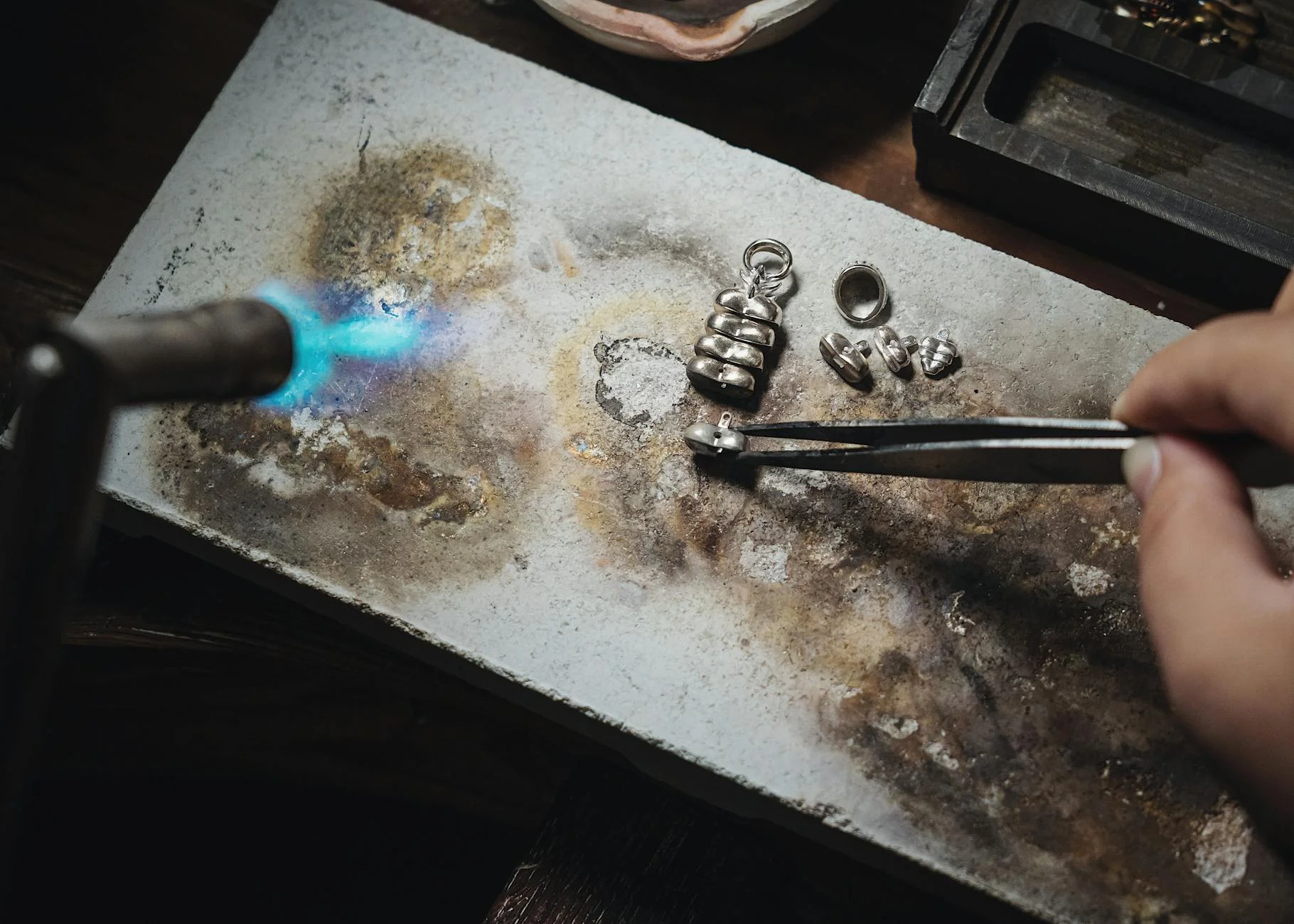
If you sell rings, earrings, or charm bracelets into the EU, the General Product Safety Regulation (EU 2023/988) treats your jewelry exactly like any other consumer product. That means safety is your responsibility, on paper, before the first sale. Jewelry sits squarely in scope, and the people who write about this for a living are blunt about it: jewelry and accessories are "explicitly in scope," and GPSR covers products "whether new, second-hand, refurbished or reconditioned." Vintage and handmade pieces are not a loophole.
What makes jewelry trickier than, say, a tote bag is that it touches skin all day. As one compliance writer puts it, "Since jewellery is worn directly on the skin, using safe materials is essential to prevent allergies, irritation, or exposure to harmful substances like nickel, lead, or cadmium." So GPSR for jewelry comes down to two questions: what's in the metal, and what could a small child do with it. If you want the wider picture first, start with what is GPSR, then come back here for the jewelry specifics.
The three chemicals that actually matter
Nickel, lead, and cadmium are the substances that get jewelry pulled from EU shelves. The limits come from REACH (the EU chemicals rulebook that sits alongside GPSR), and they are not vague.
- Nickel release. For skin-contact jewelry, release is capped at 0.5 µg/cm² per week. For anything inserted into a piercing, the limit is stricter: 0.2 µg/cm² per week. One regulatory case from late 2025 describes a piercing accessory withdrawn from the market for exceeding the 0.2 µg/cm²/week limit. Note the word release, not content. A nickel-bearing alloy can still pass if it doesn't shed nickel onto skin above the threshold.
- Lead. Capped at 500 mg/kg under REACH, set by the amendment in EU Regulation 836/2012.
- Cadmium. The tightest of the three at 100 mg/kg.
One lab sums up the stakes plainly: jewelry "may contain harmful elements such as cadmium, nickel, and lead. If these elements exceed the limit values, they may cause allergies or be carcinogenic." Nickel is a common allergen, which is why its release limit is the one regulators check first.
If you sell solid precious metal, this is mostly good news. Pure sterling silver is 92.5% silver and 7.5% copper, so it's naturally nickel-free. The problem is plating. A rhodium or gold finish can introduce nickel in the layer underneath, so plated items earn a closer look even when the base metal is fine.
Testing: what to send, where, and what it costs
You don't need to test every SKU. You test the representative material, then reuse that report across every piece made from the same alloy and the same plating. Send a sample to a certified lab such as JJR Lab or Intertek. Budget roughly 100 to 300 euros per material type.
Three test standards come up for jewelry:
- EN 1811 measures actual nickel release, which is the headline test.
- EN 12472 simulates long-term wear and corrosion before the nickel-release check, because a piece that's safe when new can shed more nickel once the plating wears. A real retailer's compliance statement reads: "Nickel release: Meets REACH and BS EN 1811:2011+A1:2015 standards. Cadmium content: below 0.005% (REACH compliant). Lead content: Conforms to EU Regulation 836/2012." That's the shape of the evidence you want on file.
- EN 71-1 only applies if the jewelry counts as a children's toy, where it tests small parts and choking risk.
Keep every lab report. It's the backbone of your technical file, and it's what you hand over if an authority asks. For more on assembling that file, see the GPSR technical documentation template and our GPSR test report guide.
The physical hazards: small parts, sharp edges, chains
Chemistry isn't the whole story. A second lab warning is worth quoting in full: "Small parts on jewelry, if swallowed by infants or young children, can lead to acute poisoning." Beyond poisoning, small beads and clasps are a choking risk, sharp prongs can cut, and chains carry an entanglement and strangulation risk for young children.
The fix is partly labeling. A well-run jewelry brand spells it out: the piece "is not a toy. Keep out of reach of young children (under 36 months) due to small parts and potential choking hazards. Necklaces and chains may pose a risk of entanglement or strangulation if caught on objects." Adapt that to your products and you've covered the main physical warnings GPSR expects you to think through.
All of this belongs in a documented risk assessment, which is the step most small sellers skip. You write down each hazard (nickel release, lead, cadmium, choking, sharp edges, entanglement) and how you control it. Our GPSR risk assessment guide walks through the format.
Do you need CE marking? Usually not
Here's the relief for most jewelry sellers: no notified body and no CE mark required. You can self-certify through a risk assessment and technical documentation. CE marking only kicks in when a piece falls under another directive.
The most common trigger is the Toy Safety Directive. If you market jewelry to children under 14, such as a child's plastic bracelet set, that directive can apply on top of GPSR, bringing CE marking and EN 71 testing with it. The line is about who the product is for, not how small it is. Adult earrings that a toddler shouldn't handle are still GPSR-only; a glittery kids' jewelry kit is a different conversation. If you're unsure where the boundary sits, GPSR vs CE marking lays it out.
Traceability and your EU contact
GPSR wants every piece traceable. That means a batch or model number plus the name and contact details of the manufacturer or, if you're outside the EU, your EU Responsible Person, printed on the product or its packaging.
The Responsible Person requirement catches a lot of non-EU jewelry sellers off guard. If you ship from the US, the UK, or anywhere outside the bloc, you need an EU-based contact who can field safety questions from authorities and hold your documentation. EUProof generates the compliance documents, not the Responsible Person service itself, so plan for that contact separately. The GPSR Responsible Person guide explains who can fill the role and what they're on the hook for.
What you actually file
Pulling it together, a compliant jewelry listing rests on a small stack of documents:
- A technical file describing the product, materials, and the hazards you assessed.
- Test reports for nickel release, lead, and cadmium on each representative material.
- A risk assessment covering chemical and physical hazards.
- Traceability and warning details on the product or packaging, including the "under 36 months" line where small parts apply.
- The relevant declaration or safety attestation tying it together.
Sellers on Etsy and similar marketplaces hit this stack constantly, since handmade jewelry is one of the biggest categories there. If that's you, GPSR for Etsy covers the marketplace mechanics, and GPSR for handmade sellers covers the small-batch angle.
You don't have to build these documents by hand. EUProof takes your product and material details and produces the technical documentation, declaration, and labeling text you need, so the paperwork stops being the bottleneck. See how it works at /templates, or check whether you're even in scope first at /tools/am-i-affected.
The short version: test your representative metal, document the choking and entanglement risks, label for under-36-months, keep your reports, and name an EU contact. Get those five right and your jewelry is GPSR-ready.
This article is general guidance, not legal advice. Confirm your obligations with a qualified advisor or your Responsible Person.
Step by step
Identify the materials in each piece
List every metal, plating, bead, clasp, and finish. Nickel, lead, and cadmium are the three you have to control, and plating is where they hide.
Test the representative material
Send one sample per alloy and plating combination to a certified lab for nickel release (EN 1811), lead, and cadmium. Reuse each report across every piece sharing that material.
Run a risk assessment
Document the chemical and physical hazards, including choking, sharp edges, and entanglement, plus how you control each one.
Add traceability and warnings
Put a batch or model number and your manufacturer or EU contact on the product or packaging, and add the 'under 36 months' warning where small parts apply.
Generate and keep the documents
Produce your technical file and any required declaration or safety attestation, and keep them on hand for ten years in case an authority asks.
Frequently asked questions
- Does my sterling silver jewelry need nickel testing?
- Pure sterling silver is 92.5% silver and 7.5% copper, so it's naturally nickel-free. The catch is plating. Rhodium or gold plating can introduce nickel underneath, so testing is recommended for any plated item. Solid, unplated sterling silver generally does not.
- What about second-hand or vintage jewelry?
- GPSR still applies to second-hand, refurbished, and vintage pieces sold as a business. There's a narrow exception: genuine antiques with historical or collectible value, not items that are simply old, can fall outside scope. GPSR sets no fixed cutoff year, so the test is the antique character of the piece, not its age alone. When in doubt, treat it as in scope.
- Do I need CE marking for my handmade beaded bracelets?
- No. CE marking is not required for most jewelry. GPSR compliance through self-assessment, a risk assessment, and technical documentation is enough. CE marking only enters the picture if your piece falls under another directive, such as electronic jewelry or jewelry marketed as a children's toy.
- How do I test for nickel release if I'm a small seller?
- Use a certified lab such as JJR Lab or Intertek. Expect roughly 100 to 300 euros per material type. You don't need to test every product. Test the representative material once, then reuse that report for every piece made from the same alloy and plating.
- What warning label do I need for children's jewelry?
- Use 'Not suitable for children under 36 months' because of small parts and choking risk. If the jewelry is marketed to children under 14, the Toy Safety Directive can add requirements on top, including CE marking and EN 71 testing.



Get your GPSR documents in minutes.
Add your product, pick the languages, download the technical file, risk assessment, and label. No legal team required.
Start freeSee pricingSee a sample pack