


Can I Sell to the EU Without GPSR Compliance?
Short answer: no, not legally. Here's what GPSR actually requires of non-EU sellers, what happens if you skip it, and the narrow cases people mistake for loopholes.
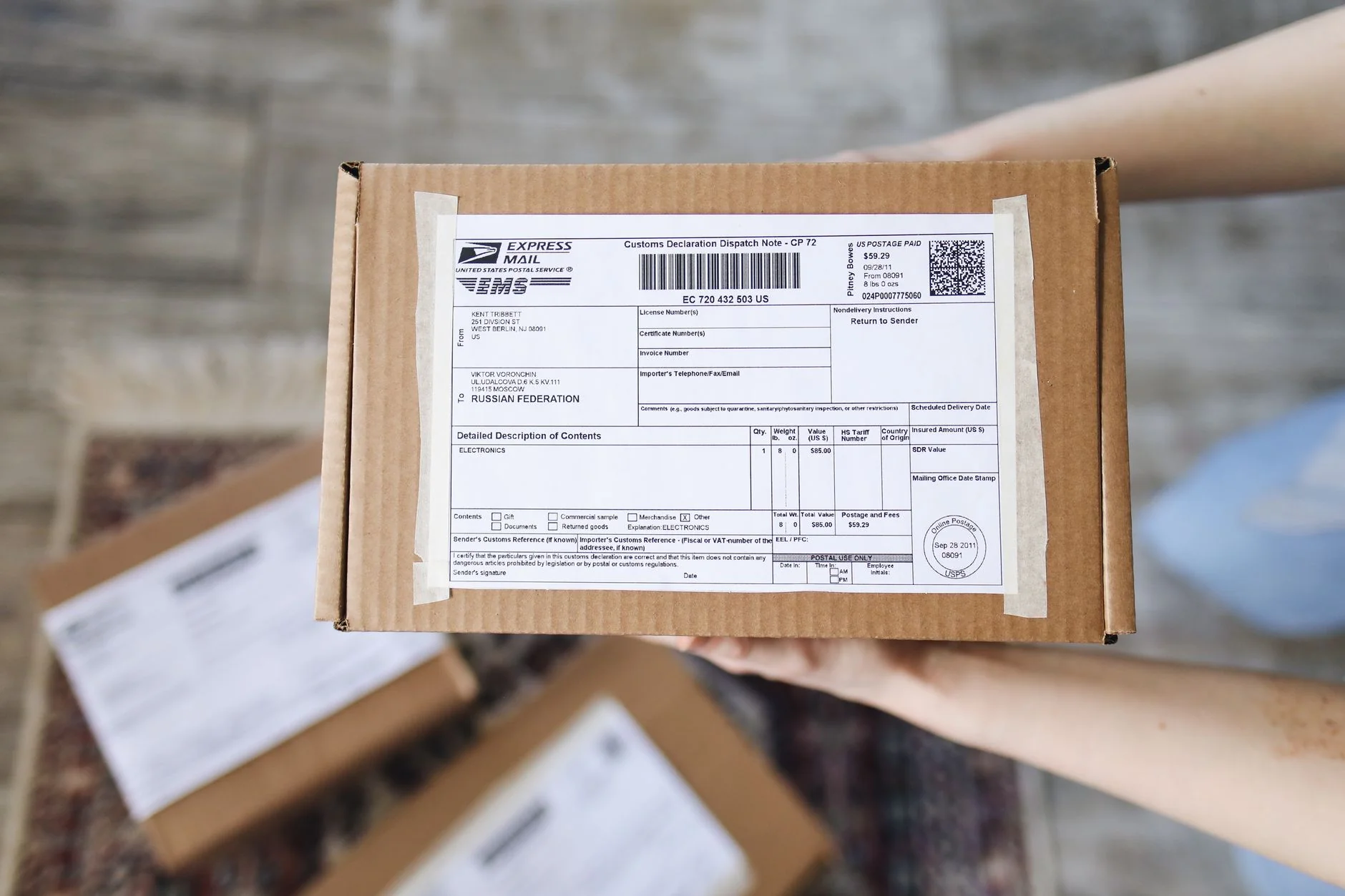
You found a buyer in Germany. The order is good. Then a thought lands: do you actually have to do all the GPSR paperwork, or can you just ship it and hope nobody checks?
The honest answer is no, you can't legally sell consumer products into the EU without GPSR compliance. Not as a workaround, not under a revenue threshold, not by leaning on a marketplace. The regulation is built so that no product reaches an EU consumer without someone inside the EU accountable for it. This page walks through why, and through the handful of situations people keep mistaking for loopholes.
What GPSR actually says
GPSR is EU Regulation 2023/988, the General Product Safety Regulation. It became enforceable on 13 December 2024 and covers nearly every non-food consumer product sold in the EU. Article 5 sets the baseline: no product may be placed on the EU market unless it complies with the regulation's requirements.
"Placed on the market" includes a single parcel you ship from outside the EU to a consumer in Paris or Lisbon. There's no "I'm just a small overseas seller" carve-out written into the text. As one compliance write-up put it bluntly, "even if your Bandcamp store is based outside of the EU or NI, if you sell to EU and NI customers, you must comply with the GPSR."
The mechanism that makes this work for non-EU sellers is the economic operator rule. If you're not established in the EU, you need someone who is. "Your products must have an EU-based economic operator," as one EU-Rep service summarised it. In practice that means appointing an EU Responsible Person.
The Responsible Person is the part you can't skip
This is the requirement people search hardest to avoid, and it's the one with the least wiggle room. The framing on a musician forum captured the mood after Brexit pushed UK sellers out of scope: "companies based outside the EU and wish to sell products within the EU are required to have a GPSR Responsible Person (RP) within the EU."
A Responsible Person is a named individual or company, established in the EU or Northern Ireland, who takes legal responsibility for your product's safety paperwork. They hold your technical documentation, respond to market surveillance authorities, and act as the contact point regulators reach when something goes wrong. EUProof generates the compliance documents that a Responsible Person needs to hold, but we do not act as your Responsible Person. That's a separate service you appoint.
The rule applies whether you sell business-to-consumer or through a marketplace. "Businesses based outside the European Union that sell to EU consumers must ensure compliance by appointing a designated EU Responsible Person. This requirement applies equally to cross-border e-commerce and marketplace vendors." If you want the full picture of what this role covers, read the Responsible Person guide.
The "loopholes" that aren't
Most of what people hope will get them out of GPSR falls apart on contact. Here are the ones that come up again and again.
"My fulfillment center is in the EU, so I'm covered." No. A fulfillment center or 3PL warehouse does not act as your Authorised Representative. Storing goods in an EU warehouse doesn't make that warehouse legally responsible for your product safety.
"Amazon FBA stores my stock in the EU, so Amazon is my contact." Also no. Amazon does not become your Responsible Person because it holds your inventory. One seller learned this the hard way with a print-on-demand provider: "Even though Printful has a presence in the EU, we don't automatically act as the EU point of contact for your brand." If you sell through Amazon, the obligation to appoint your own representative stays with you, or your listings get deactivated.
"I'm tiny, surely there's a small-seller exemption." There isn't. There is no revenue threshold and no volume threshold. A forum seller summed it up after reading the rules: this "applies for selling used, old, repaired items, gifts etc, there seem to be no exemption." If you're a small business, GPSR still applies to every non-food consumer product you sell into the EU.
"It's used or second-hand, so it's out of scope." Mostly not. GPSR reaches used and refurbished consumer goods too, with narrow exceptions. The details matter, so check the rules on second-hand goods before assuming you're clear.
The one real transition window
There is a single legitimate situation where you might keep selling without full GPSR compliance, and it's narrow. Stock that was lawfully placed on the EU market before 13 December 2024, under the previous General Product Safety Directive, can generally be sold through for a transitional period. That's old inventory, already in the channel under the old rules.
It is not a license to keep importing new stock. Anything you place on the market now must comply in full. Treating "transitional period" as an open-ended exemption is the kind of misreading that gets listings pulled.
What happens if you sell anyway
Two layers of consequence stack up. The first is regulatory. As one compliance firm warned, "selling non-compliant products in the EU can lead to serious consequences, including fines, legal trouble, expensive recalls, and damage to your brand's reputation." Market surveillance authorities can order recalls and issue penalties. We cover the enforcement side in detail in what happens if you don't comply.
The second layer is the marketplaces, and it tends to bite first. Amazon, eBay, and Etsy all ask for proof of GPSR compliance before letting listings go live, and they remove offers that fail. The pattern repeats across platforms: "non-compliant offers will be removed." Some sellers have reported Amazon simply pulling their listings or blocking EU sales entirely when they couldn't supply a Responsible Person. The regulator might never knock on your door, but the platform will quietly switch off your revenue.
So what does compliance actually take
Less than you might fear, and the steps are concrete. You assess your product's risks and document them in a risk assessment. You write a safety attestation, and where a marketplace asks for one, a Declaration of Conformity. A formal Declaration of Conformity is only mandatory for products covered by specific EU harmonisation legislation, for example CE-marked toys or electronics. For GPSR-only goods it is a self-declaration that marketplaces often request, not a statutory requirement. You make sure your labeling carries the manufacturer and Responsible Person details. And you appoint that Responsible Person in the EU or Northern Ireland.
On cost, the representative side is the recurring fee. Commercial EU-Rep providers "charge annual fees typically ranging from €500 to €2,000+, depending on product volume." The document side is where EUProof comes in: we generate your risk assessment, your Declaration of Conformity where one is required, and the rest of your technical file in minutes, so the paperwork your Responsible Person needs is ready to hand over. If you're not sure whether any of this applies to what you sell, run your product through our quick check.
The question "can I sell without GPSR" almost always means "can I avoid the hassle." The hassle is real, but it's bounded and one-time-ish per product. Skipping it isn't an option that stays open. It's a listing waiting to be removed.
This article is general guidance, not legal advice. Confirm your obligations with a qualified advisor or your Responsible Person.
Frequently asked questions
- Can I use a fulfillment center's EU address as my Responsible Person?
- No. A fulfillment center does not typically act as an Authorised Representative. You must appoint a dedicated Responsible Person, an individual or company, who accepts legal responsibility for your products in the EU.
- What if I only sell through Amazon FBA but have no EU presence?
- Amazon does not act as your Responsible Person. You must appoint your own EU-based representative, or your listings will be deactivated.
- Can I continue selling old stock placed on the market before Dec 13, 2024?
- Possibly, for a transitional period. Products lawfully placed on the market before that date under the previous General Product Safety Directive may be sold out without full GPSR compliance. New stock must fully comply.
- Do micro-businesses or low-volume sellers get an exception?
- No. There is no revenue or volume-based exemption. If you sell any non-food consumer product into the EU, GPSR applies to you.
- What's the easiest way to get a Responsible Person?
- Engage a commercial Authorised Representative service, often called an EU-Rep provider. They charge annual fees that typically range from €500 to €2,000 or more, depending on product volume.



Get your GPSR documents in minutes.
Add your product, pick the languages, download the technical file, risk assessment, and label. No legal team required.
Start freeSee pricingSee a sample pack